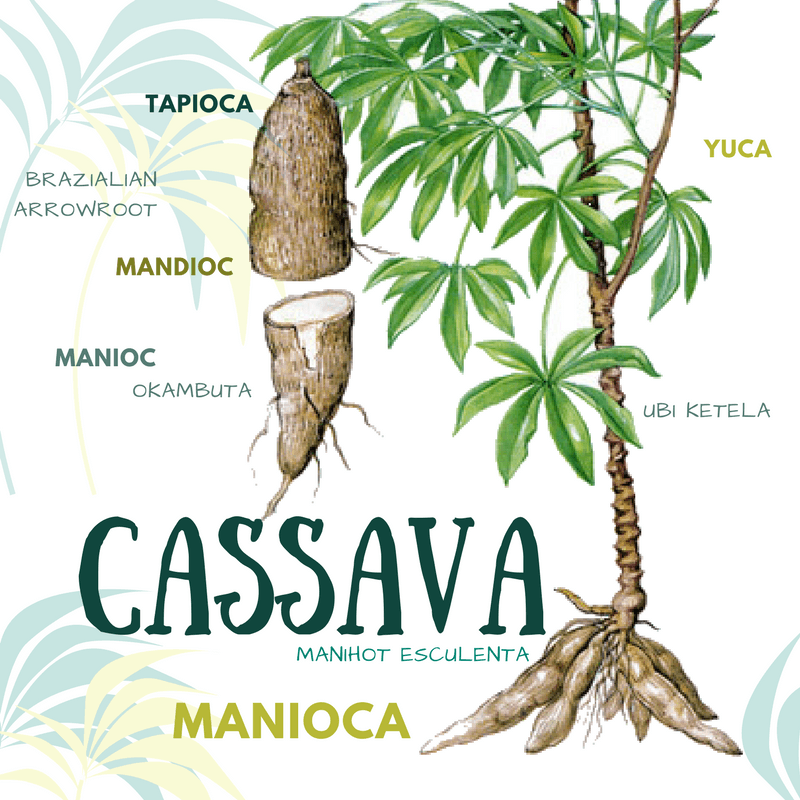
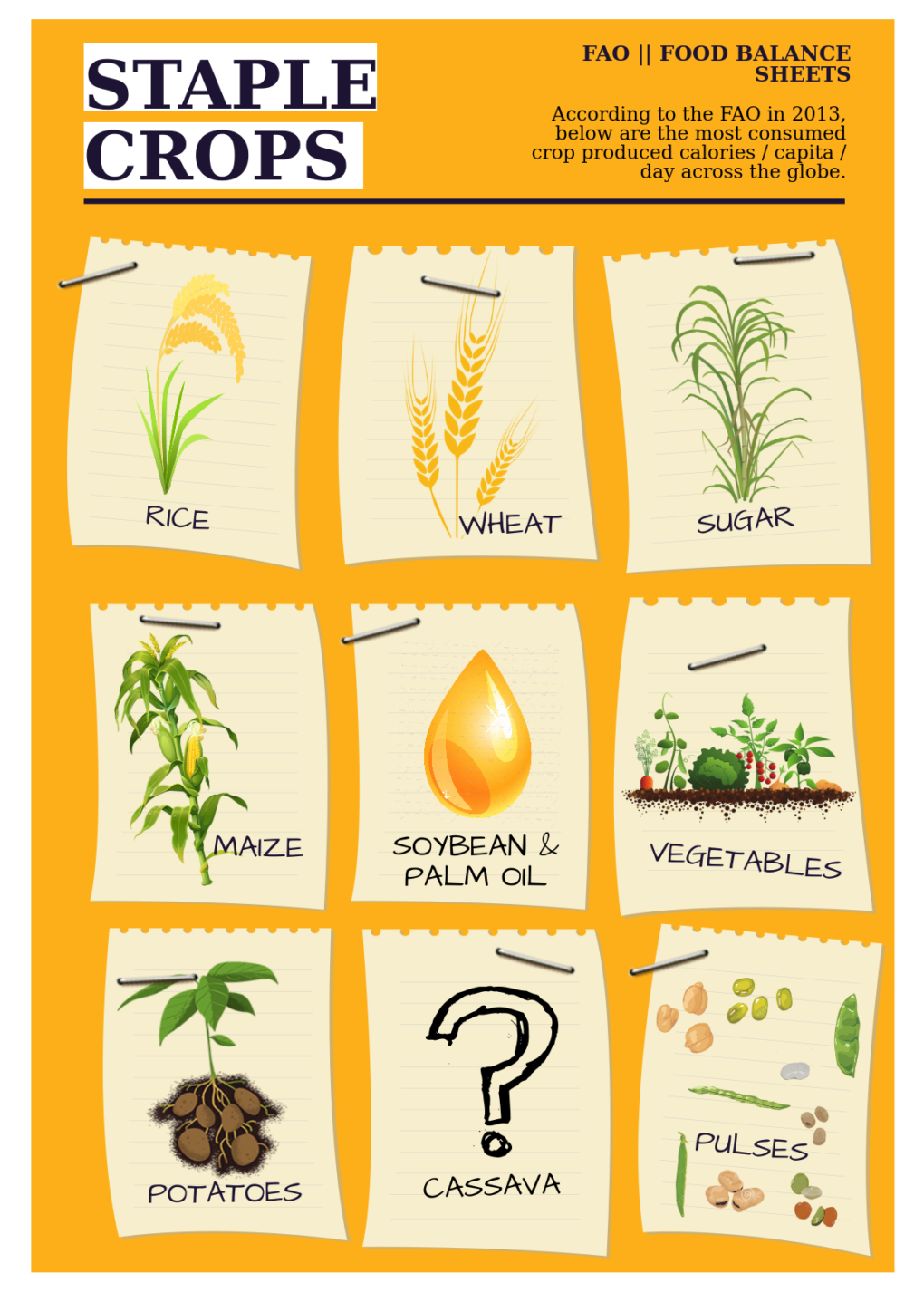
This crucial crop has been under-researched for too long. Other staple crops such as wheat, maize, rice, and sorghum benefit from extensive research funding and the time has finally come for cassava.
Of the 255 million tonnes (mt) produced in 2013, 101 mt were used as food, 87 mt as feed and nearly 31 mt were lost due to weather, pests/diseases, and waste/spoilage. Considered an essential crop by the FAO, the losses of cassava production are alarmingly high at 11% compared to other staple crops such as maize (0.4% production loss) and wheat (3.9%). The African continent produced 53% of cassava stocks in 2013, consumed 61% of all cassava’s food stocks (24% of all production) and accounted for 69% of the losses. There is an issue with the production of this staple crop.
Cassava has become a staple crop because it’s a very tolerant and inexpensive crop. This perennial shrub native to Latin America is conditioned to grow in sub-tropical climates. Not only is resistance to drought, but it also produces vegetables in marginal soil conditions, requires relatively few and inexpensive inputs and the plant can be propagated to produce more plants through a steam clipping. Not to mention, the tuberous root has long-term storability in the ground, if conditions are not ideal to harvest or store above ground.
As a staple food to more than 7% of the world’s population, cassava is a significant crop, yet until recently little research had been conducted. While the demand in developed and developing nations grows (as do producer prices), cassava is facing numerous issues and risks.
Grown in a tropical climate, cassava is at risk of numerous diseases and pests. Given its long season compared to other crops, this extra environment exposure increases the risk of disease and pests destroying the crop. While there are several diseases we could cover in this blog from blight to virus transmitted by whiteflies, mealybugs and nematodes, many of these can be treated through crop rotations, drainage, and the use of chemical applications (if available). What is not as easily controlled is the genetic decay of the crop.
Cornell University, through a number of its branches and affiliated research organizations and programs, has begun cassava crop research. Cornell’s Institute for Genomic Diversity has found that the use of plant propagation from steam clippings rather than seeds has caused genetic decay of the species. The lack of sexual reproduction has resulted in a buildup of contaminant prone genetics making it more susceptible to diseases and pests.
Through Gates Foundation and UK Department for International Development funding, Cornell has been able to begin the Next Generation Cassava Breeding Project (NextGen) to improve cassavas breeding stock and “unlock the full potential of cassava.” Through genomic and phenotypic data and access to cassava germplasm from around the world, NextGen is dedicated to ensuring cassava remains a staple food. They also aim to improve the breeding cycle through shortened cycles, improved flowering and seed set, and increased photosynthesis efficiency.
Since the domestication of plants, we often interrupt the cycle of their ecosystems to fit our ecosystem needs, and sometimes we forget to ask “Comment ça va?” How are you doing? Now, researchers are doing just that for the cassava plant.
In January 2026, the Canadian government was able to reach an agreement with the Chinese… Read More
Agriculture Myth Busting Food preservatives have been linked to a variety of scary health concerns.… Read More
A Look at Canada's Welfare Scorecard Regardless of dietary preferences, I think it would be… Read More
Innovations often completely transform systems of production. The invention of production lines transformed automobile manufacturing.… Read More
Part 3: Returns on Investment, Adoption Gaps, and the Road Ahead Picking up the Thread… Read More
The shortening of daylight indicates that it is once again time for students to come… Read More