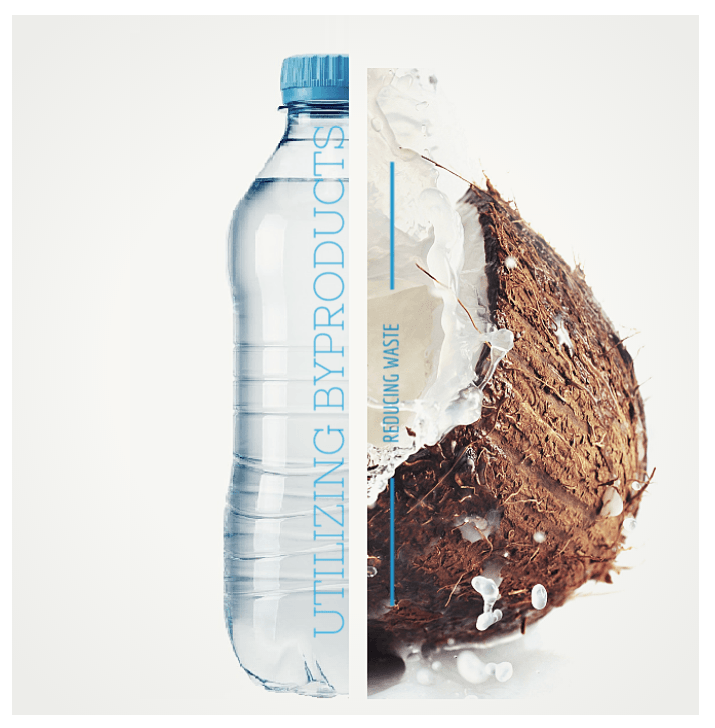
Does tap water still quench your thirst or are you now looking for that next level of hydration? Look no further than to trees. The newest trend is alternative ‘tree’ waters. We have all heard of coconut water, but have you tried maple, birch or cactus water yet? In the ever growing and competitive beverage industry, bottled water varieties have expanded past spring, mineral, sparkling, distilled and flavoured. With these trendy new ‘tree’ waters, the beverage sector is diversifying beyond being a sugar supplier and catching the attention of consumers with naturally sweet water.
Maple water is equally simple to produce. Maple producers use a series of taps and hoses that run from tree to tree, collecting the sap. After collection, the sap is boiled to reduce the water content and increase the saps sugar concentration into a syrup. To make maple water, however, many companies simply filter the sap and bottle it, selling a mildly sweet water.
A maple tree’s sap production ranges based on the variety, weather, and taps, producing as little as a gallon to 15 or 20 gallons of sap per year. The sugar content of maple sap is often less than 5%, so in order to reach a specific colour and grading by sugar content, the sap is reduced. It can require anywhere from 30-50 gallons of sap to make a single gallon of syrup. The increased popularity of tree water now gives maple producers the option to another possibly more profitable, niche market.
If that same gallon of sap and were made into syrup using a 30:1 ratio, roughly 5.3 oz. or 151 ml of syrup would be produced. At Walmart.ca 540 ml of Lalonde Pure Medium Maple Syrup sells at $6.97, and at Hudson’s Bay you can purchase 100 ml of light maple syrup for $7.99. The reason for such a price range is a result of quality, quantity and the time and money it takes to produce syrup. Since the same gallon of sap could help producers capture more profits, producers may begin to sell into the beverage industry to capture a larger percentage of the consumers’ disposable income and reduce their own costs and time.
So the next time you need to quench your thirst and water just won’t satisfy, grab a maple water or other ‘tree’ water product, and support a renewable byproduct of agriculture.
Since 2019, the public health and food innovation spaces have focused on increasing protein consumption.… Read More
Over the past few months, there has been an extreme amount of social media propaganda… Read More
With the amount of information in the world, it can be easy to get lost… Read More
The DNA Series: This is the last blog in the DNA Series (boo!), and we're… Read More
The Heated Price of Coffee My morning starts with multiple cups of coffee. No, no… Read More
In January 2026, the Canadian government was able to reach an agreement with the Chinese… Read More