



Agricultural processes tend to be lumped into overarching categories which can then be used as buzz words to discuss agriculture without having to go into too much detail. Conventional agriculture focuses on production maximization; regenerative agriculture employs a system of methods to restore natural resources; conservation agriculture uses techniques that prevent land (soil) losses; climate-smart agriculture attempts to secure production while simultaneously building climate change resilience; organic agriculture prescribes restrictions on the types of inputs and practices used; precision agriculture uses technology to monitor and efficiently distribute inputs. When we look down on agriculture from such a broad perspective, we miss interesting technologies that facilitate a combination of methods and agricultural production styles. This is the case with cover crops, which can qualify as conventional, regenerative, conservation, climate-smart, organic, and precision agriculture.
Where is there value?
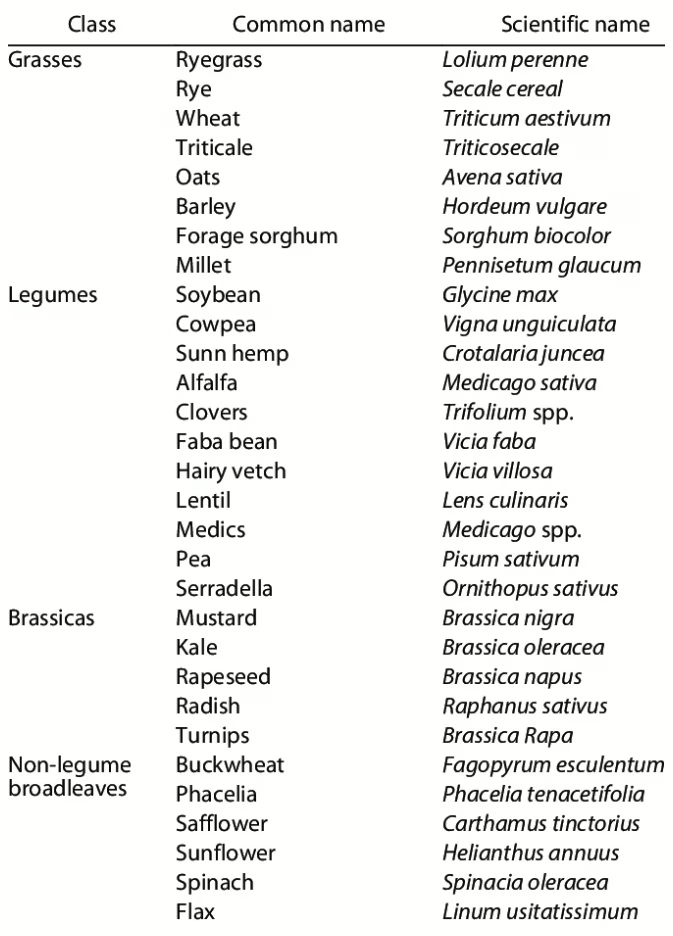
Cover crops are plants without economic value grown outside of typical crop seasons for the primary purpose of land protection. This achieves a few measurable soil improvements: erosion reduction, weed suppression, soil fertility (organic matter), and improved water infiltration. A portion of these changes translate into advanced carbon sequestration, an additional unobservable but no less valuable benefit. These combined effects have major economic considerations, as well, with cover crops globally viewed as tools that increase productivity, stabilize (and sometimes boost) yields, and improve income resilience in spite of climatic pressure. When cover crops are used with completely separate production techniques such as zero or conservation tillage or precision input use, the conclusions about field improvements in subsequent yields are stronger.
Depending on the combination of species used (which is itself regionally dependent), cover crops can also be a source of nitrogen that, later in the cash crop growing season, may reduce nitrogen inputs required. This nitrogen impact is contested depending on the field in which they are used and the timing of planting. For example, repeated cereal-legume mixtures in prairie crop systems perform similarly to other conservation methods in regard to soil health and moisture retention whereas their employment in eastern broccoli fields had no impact on nitrogen loss (i.e. emissions) or the quantity of supplemental inputs are required. This is an example of a regenerative practice (cover crops building soil health) requiring targeted, conventional inputs (additional nitrogen fertilizers) to remain profitable.
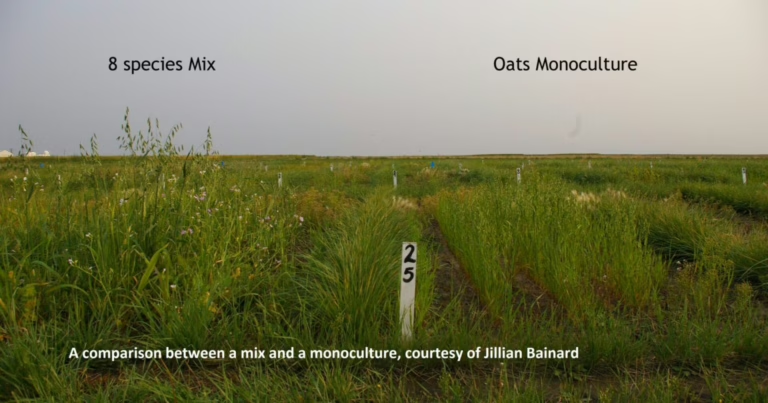
There is also strong evidence of the role cover crops (especially a variety of plant types sometimes referred to as a cocktail) play in Canada’s biodiversity strategy. Not only does a spread of cover crop types cause its own plant-based biodiversity, but surrounding insect species also diversify in response. Some arthropods prefer flowering plants and others prefer densely foliage coverage; some insects hate certain species of crop, encouraging natural protection. This type of interaction is observed in Quebec when alyssum flowers are used near lettuce fields, drawing the attention of predatory insects away from the cash crop in favour of the cover crop, or with brown mustard in winter potato fields that provide a distraction for wireworms. In instances of increased competition with weeds or pests, targeted cover crop selection can reduce the need for chemical management (herbicides, insecticides), although cover crops will not eliminate their use entirely.
Cover Crop Hesitation
The lack of economic position for cover crop means a majority of the benefits are indirect. You cannot put a dollar value on soil organic matter, so the realised value must come elsewhere. If a farm has livestock, then cover crops present a viable feed source depending on how the selected cocktail fills nutritional needs. Cover crops can be left as standing forage or for silage, they can be grazed or mowed, and the use of animals allows farmers to take advantage of crops with low costs to planting and little market potential, like safflower. The savings on supplemental feed and subsequent field quality improvements would signal the economic benefit of cover crop use however, it is suggested that the soil improvements are lessened slightly by livestock realities. This has practical implications for the types of conclusions we can make about cover crop use in livestock-only operations.
Discover how cover crops can be used to round out cattle diets for prairie farmers with integrated crop-livestock systems.
Learn more
If an operation is crop only, then the focus remains on soil quality and input reduction. Prince Edward Island is a leading province in cover crop usage, as their inclusion in potato rotations helps reduce erosion-related losses in heavily-tilled fields. The success of cover crop mechanisms are also varied and delayed, presenting an additional cost-centred concern for adoption, as farmers are expected to face some kind of net revenue loss in the first couple years of use, the range of which is unclear. Planting cover crops can cost $25/hectare on the lower end, approximately equivalent to the carbon abatement value of cover crop sequestration; are indirect growth benefits enough for farmers to opt into a system that, for the first few years, holds a net zero position at best?
While there are farmers who will avoid cover crops in favour of profitability or alternative management strategies, these holistic systems can revive traditionally undervalued crops, as is seen with Canadian rye. There are farmers who recognise the role cover crops play in sustainability goals and have invested in on-farm resiliency, and those farmers are slowly becoming a reliable case study to cover crop cocktails and performances across Canada.
