How are Varieties Developed?
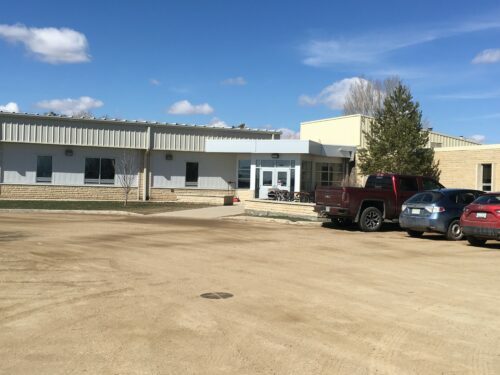
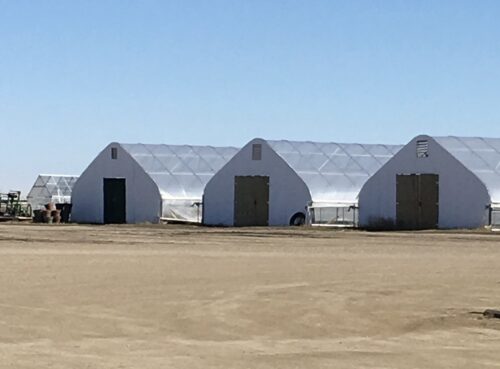
On average, it takes 10-12 years for a variety to reach registration for commercial production. The process begins with classical plant breeding techniques conducted in the facility’s poly greenhouse, the U of S Agriculture Greenhouses, or the phytotron, resulting in the F1 generation (the progeny from the initial cross between parent plants). Subsequent generations are then grown in field trials. Breeding lines are selected based on agronomic qualities and prediction of desired end-use traits (e.g. protein) tested for at the Grains Innovation Lab (GIL). A breeding line consists of a homogeneous group of plants that are distinguishable from others by their genetic makeup or observable characteristics. At each selection, typically only 5-10% of breeding lines advance to the next generation depending on the intensity of the selection process.
In early generations, high variability exists within a line due to the manifestation of different parent traits. To stabilize the genetics, plants containing the desired traits in early generations are selected, hand harvested, planted in bulk, and the selection process begins again. This process is conducted for succeeding generations, and by the time the F6 generation is grown out, the genetics are mostly stabilized and testing for characteristics such as protein, gluten-strength, and colour can be conducted at the GIL. The lines that move beyond quality analysis at the GIL are put into multi-site yield trials.
A common practice at the Field Lab is sending plant material to New Zealand nurseries to take advantage of their opposite seasons. When we are experiencing a cold Canadian winter, breeding lines can be grown in the New Zealand summer. A similar practice involves growing out generations at the U of S Agriculture Greenhouses. Both tactics allow the breeders to work with 2 or more growing seasons in one year which speeds up the variety development process.
After the breeding and selection process is completed, (typically this takes about 10 years), the most promising lines enter into variety registration trials located across Canada for a period of 2-3 years. Less than 0.5% of crosses made initially will advance to this stage. The varieties undergo inspection by the CFIA before recommendation for registrations are made. After this recommendation is passed, bids for the lines can be accepted from seed companies who will take the resulting lines and commercialize the seed.