


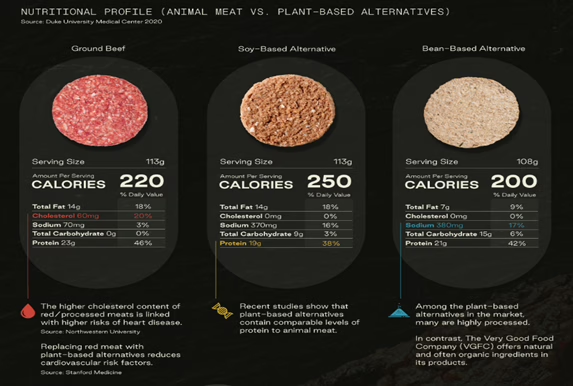
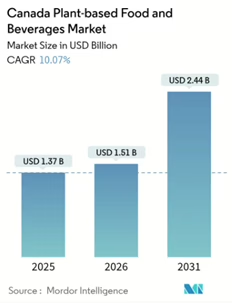
Discussions since 2019 have touted the growth potential of plant-based protein however, since then, the realities of quality, production capacity and breadth, and pricing have made the sector less hospitable for companies. An increasingly dire cost of living crisis has moved Canadians to stick to basic groceries and goods they have purchased before, regardless of growing plant-based interest. Unfortunately, beginning in 2024, the upward momentum and widespread excitement about plant-based alternatives dwindled, with over 40 separate major alternative protein players dissolved, bankrupted, or acquired by autumn 2025. Within those closures, the trend seems to suggest plant-based alternatives have great starting investment but have difficulty scaling up to excel beyond maybe a breakeven position. There are exceptions, as is the case with highly processed foods that consumers generally negatively associate with nutrition and food quality, but believe are more acceptable for plant-based ingredients. However, when big plant-based companies like Lactalis Canada and Yves Veggie Cuisine fall out of the marketplace due to a lack of demand, it can be difficult to maintain sector optimism.
Within discussions of more sustainable meat production is also innovations supporting fish production. The open ocean vs land-based facilities debate is separate from the plant-based response to a rising demand for fish protein. Similar to other plant-based meat options, plant-based fish uses a grain protein (typically pea, wheat, or rice) and algal omega-3s to simulate the taste and structure of conventional fish. Depending on the brand or product you purchase, the fish illusion success varies. Much like the wider plant-based segment, plant-based fish are critiqued for its comparability to the real thing. An investigation of commercially available vegan fish found that taste, familiarity, and texture heavily influenced the likability of products, although adults are more able to taste the difference between plant-based and traditional fish.
For this reason, millions of dollars worth of investment into plant-based fish has focused on taste, texture, and nutritional strength, using the similarity to conventional fish to build up its market position. In theory, having greater access to plant-based products makes it easier for consumers to explore available products. In August 2025, Canada’s Ocean Supercluster, an industry-led nonprofit focused on expanding Canada’s economic ocean potential through start ups and collaborative scale-ups, launched the Scaling-up Alternative Seafood Manufacturing Project to develop a whitefish fillet. Many plant-based options circumnavigate the taste and texture issues through processing and offering fish products like fish sticks, patties, etc.; a whole cut substitute would be a welcome addition for the gaps left in the marketplace.
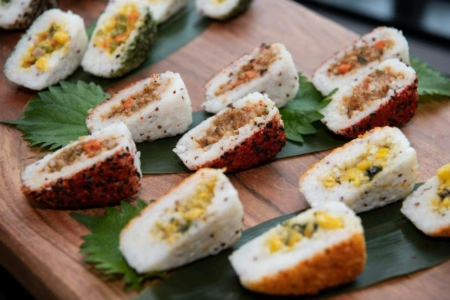
Unfortunately, plant-based fish has faced similar barriers as other plant-based products, forcing out even some of our most prominent players within the last year. Take the case of British Columbia-based Konscious Foods. If you ever had the privilege of tasting some of their line of frozen plant-based sushi rolls or poki bowls, then you understand how delicious they were and how Konscious Foods was viewed as a leader in plant-based innovation. In March 2025, they were granted $5 million from the federal government to scale up their manufacturing process, promising increased job opportunity and plant-based availability. Konscious Foods was even one of the few companies included in the aforementioned Scaling-up Alternative Seafood Manufacturing Project. However, by January 2026, any attempts at scaling had been unprofitable and the company was shuttered, citing geopolitical uncertainty and similar challenges facing the broader plant-based sector.
